Micro Master Cover
Scroll Down

Pitch

Dive into the intricate world of microprocessor design with our dynamic card game! Assemble core components like Registers, ALUs, and Control Units, and enhance your processor with essential and non-essential components. Strategically use command and energy cards to optimize your design, aiming for victory by creating the ultimate microprocessor architecture.

Concept

My design approach integrates traditional set-collection mechanics with educational content, inspired by games like Mahjong, Set, and Splendor. By balancing strategic decision-making with the principles of microprocessor design, the game uniquely illustrates the trade-offs and benefits of different components. This blend of strategy and education not only engages players but also serves as an accessible introduction to the fundamentals of how microprocessors work.

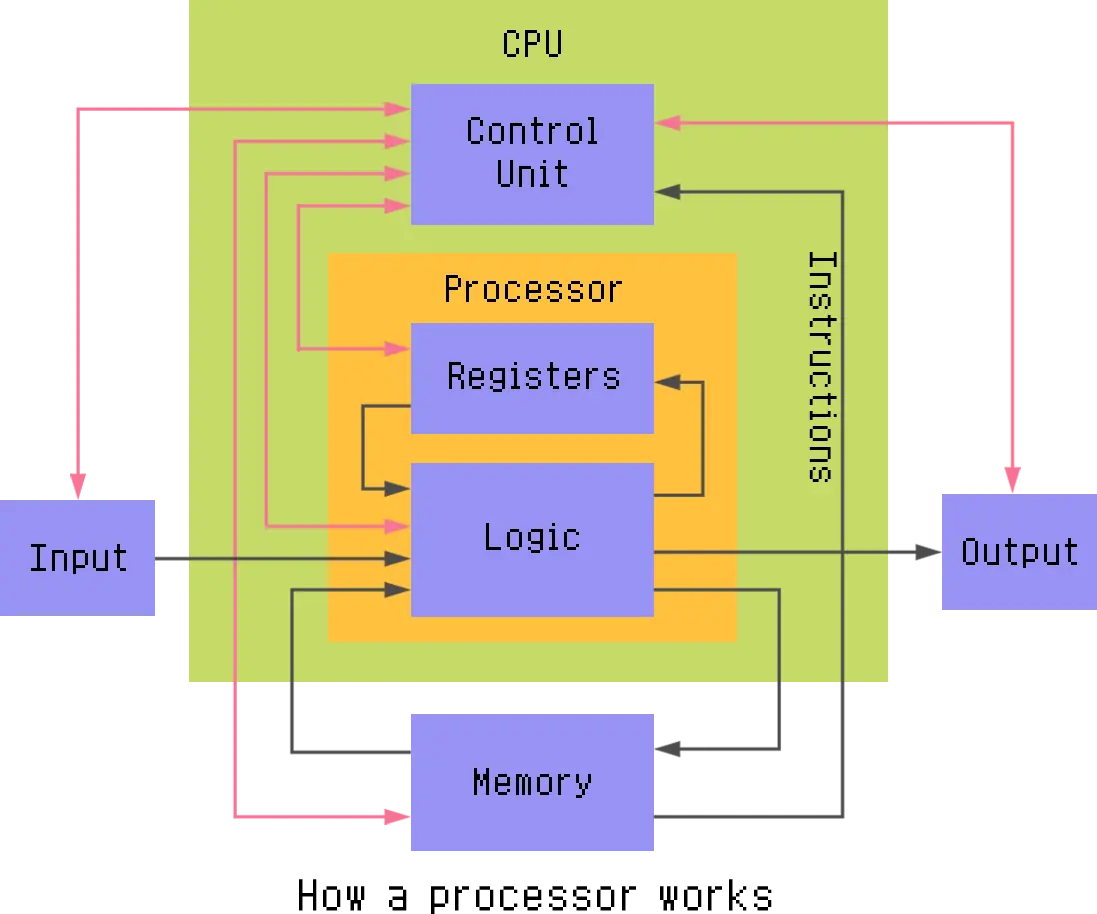
Microprocessor Architecture

By incorporating strategic decisions that magnify the trade-offs and benefits of each card, the game offers a nuanced simulation of microprocessor design. In an era where computing devices are indispensable, this game serves as an educational tool for those newly exploring the fundamentals of computer operations.

Microprocessor Schematic

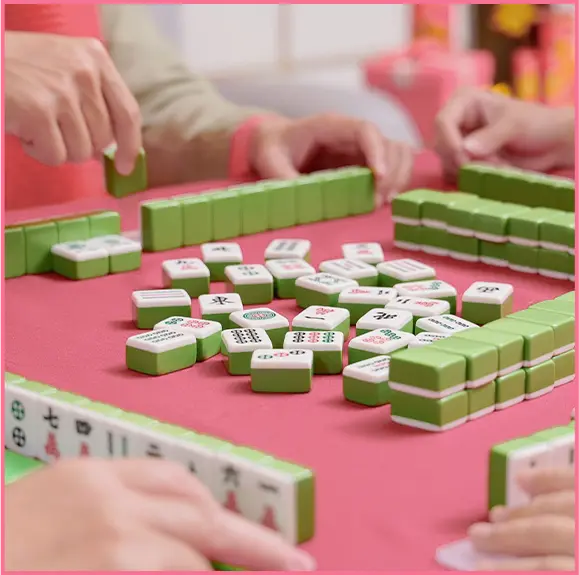
Inspiration: Mahjong

Inspired by the traditional Chinese board game Mahjong, this card game draws parallels to the microprocessor principles I studied during my undergraduate years. Just as Mahjong requires forming specific tile sets, this game involves combining core and component cards to build a basic computing micro chip.

Mahjong's set formation mechanics, strategic depth, and balance of trade-offs significantly influenced my design. The combination in Mahjong inspired the core mechanic of forming sets of cards to simulate microprocessor assembly. Its strategic decision-making and risk vs. reward dynamics informed the game's strategic elements, where players must carefully manage their cards.
Mahjong Inspiration

Game Components

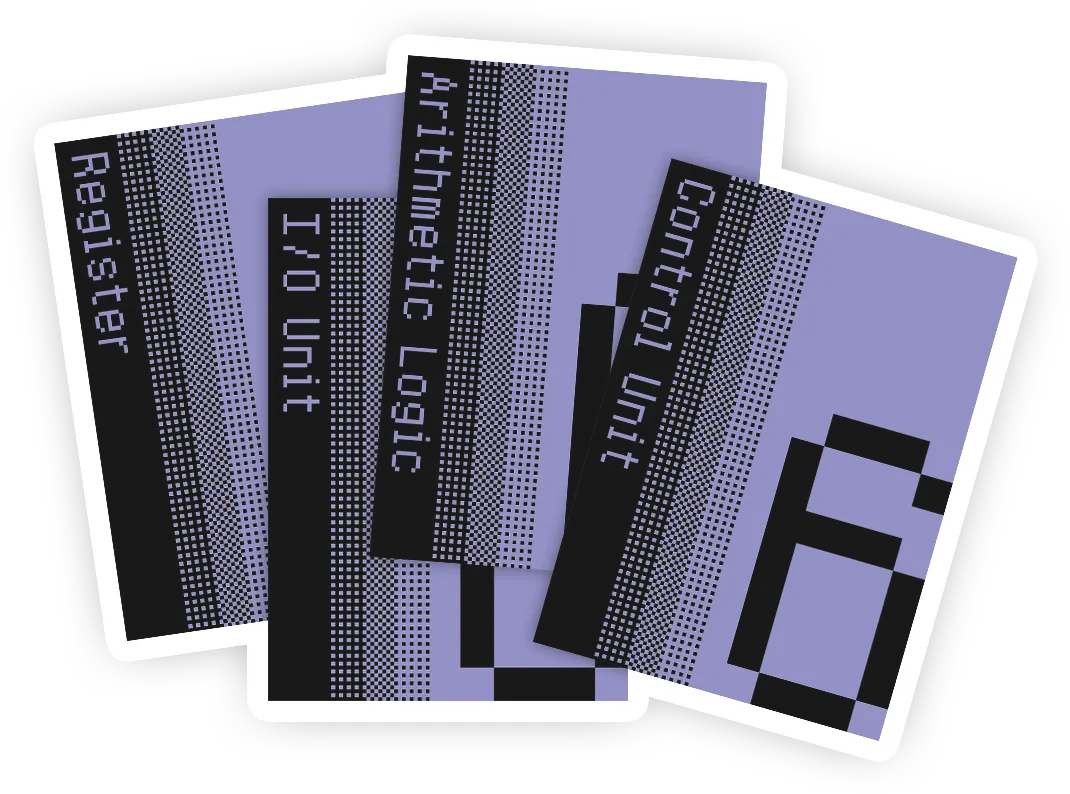
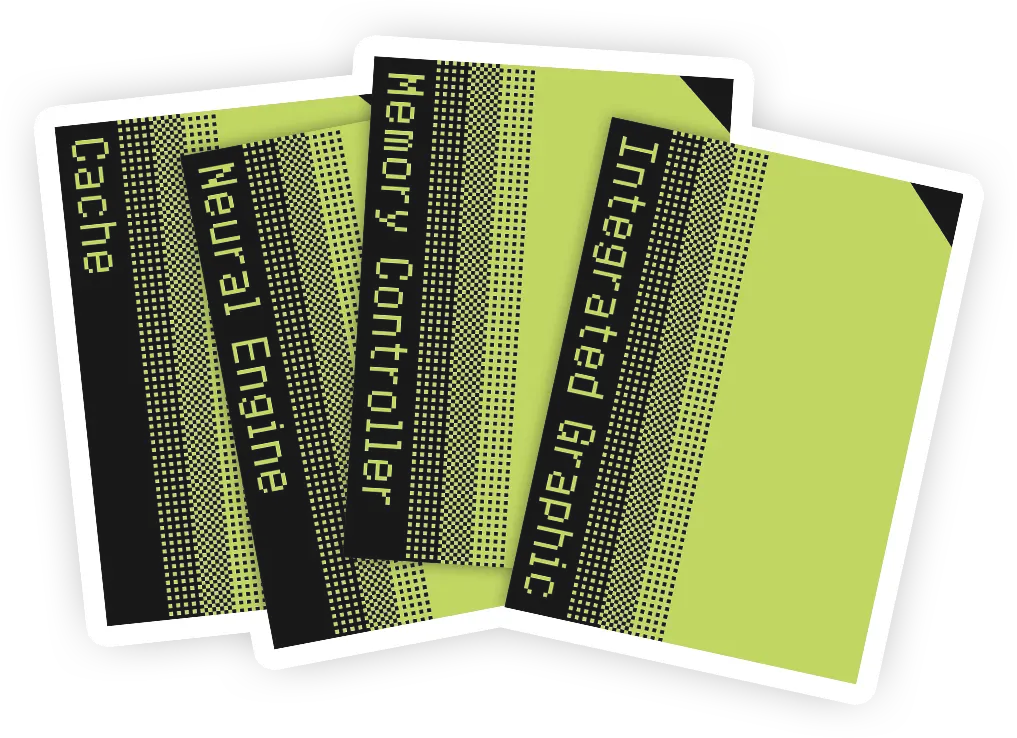
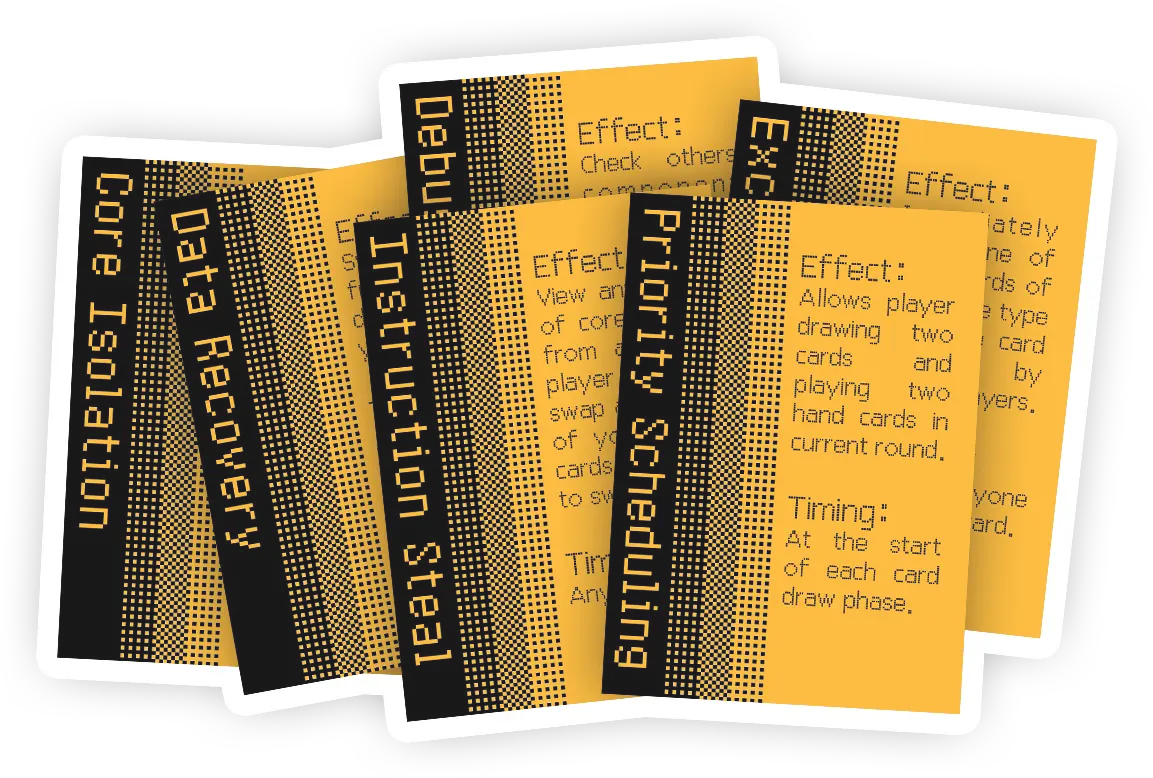
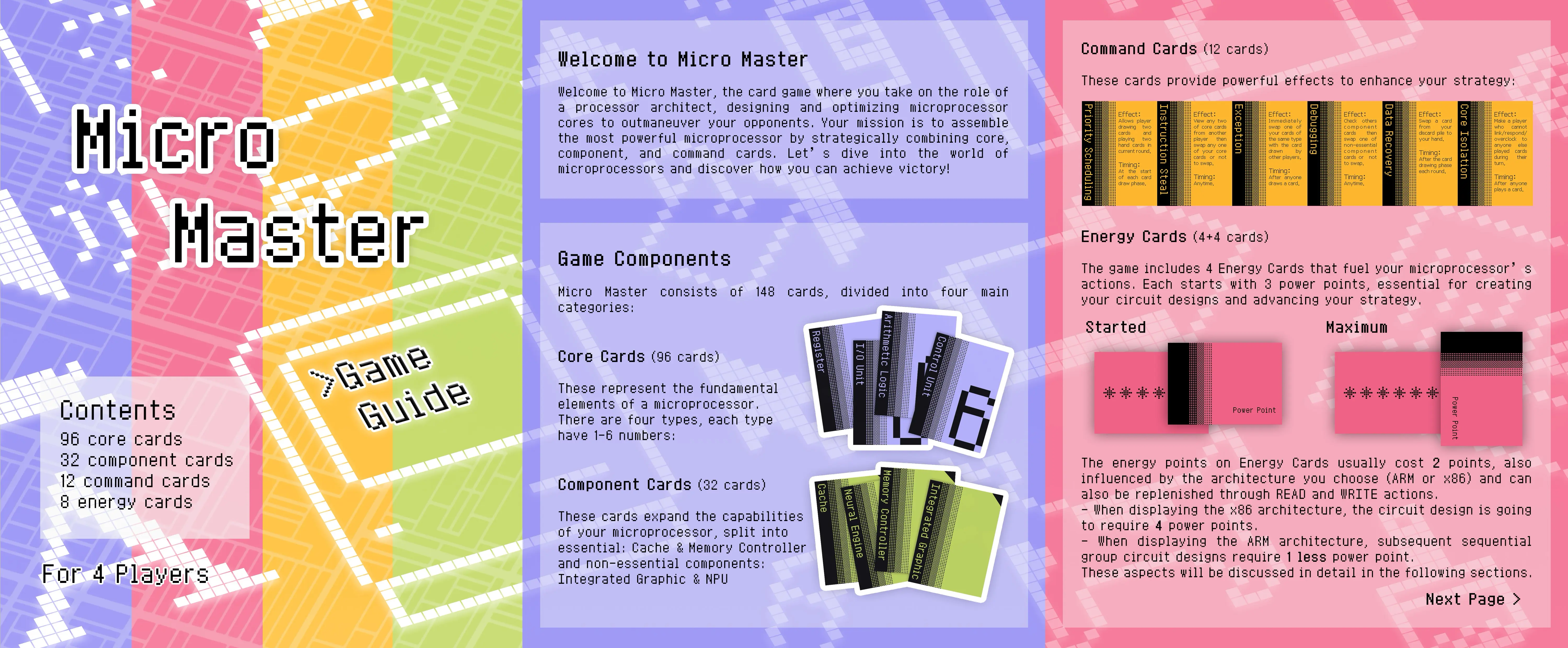
Micro Master consists of 148 cards, divided into four main categories:

Core Card

Core Cards (96)

Registers, I/O Units, Arithmetic Logic Units, Control Units. Representing fundamental elements.

Component Card

Component Cards (32)

Cache, Memory Controllers, Integrated Graphics, NPUs. Expanding capabilities.

Command Card

Command Cards (12)

Priority Scheduling, Instruction Steal, Exception, Debugging, Data Recovery, Core Isolation.

Energy Card

Energy Cards (8)

Fuel your microprocessor's actions. Essential for creating circuit designs.

Official Manual

Game Manual Page 1 Game Manual Page 2

Game Guide Summary

Game Phases

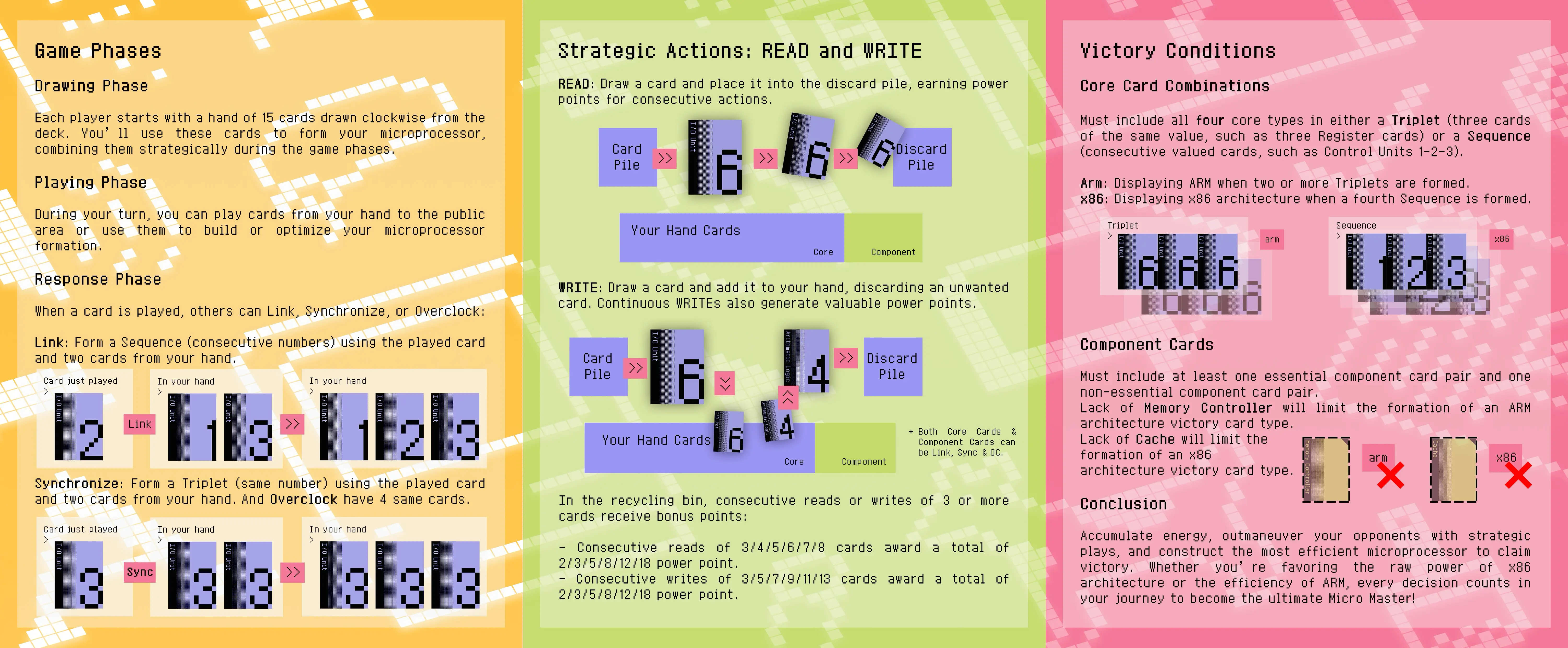
  • Drawing Phase: Each player starts with 15 cards. Draw one initial card in a clockwise order.
  • Playing Phase: Play cards to the public area or use them to build/optimize your microprocessor formation.
  • Response Phase: When a card is played, others can Link (Sequence), Synchronize (Triplet), or Overclock (4 same cards).

Strategic Actions

READ

Draw a card and place it into the discard pile, earning power points for consecutive actions.

WRITE

Draw a card and add it to your hand, discarding an unwanted card. Continuous WRITEs also generate valuable power points.

Victory Conditions

Core Card Combinations: Must include all four core types in either a Triplet (3 same value) or a Sequence (consecutive values).

  • ARM Architecture: Displaying ARM when two or more Triplets are formed.
  • x86 Architecture: Displaying x86 architecture when a fourth Sequence is formed.

Component Cards: Must include at least one essential component pair and one non-essential component pair.